Fenghuang Ancient Town
Tucked among the mountains of Xiangxi in western Hunan, Fenghuang Ancient Town is a historic riverside town known for its wooden houses, winding old streets and distinctive local culture.
Explore Fenghuang Tours →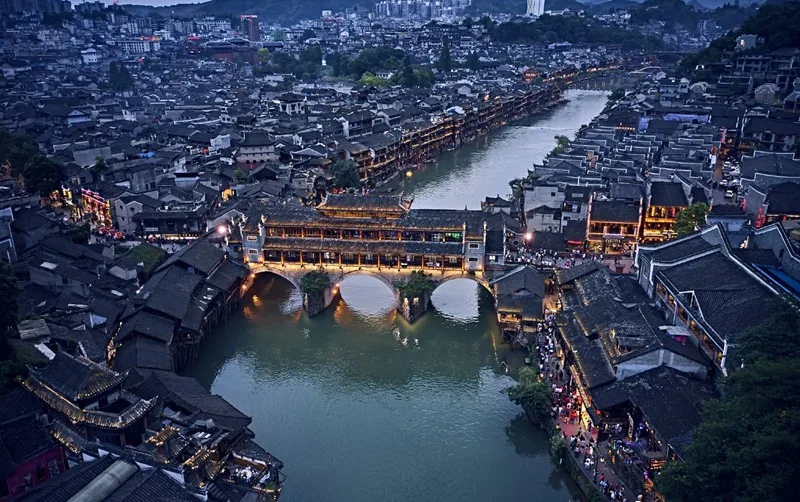
Fenghuang has a long and layered history. Its origins can be traced back more than a thousand years, while the layout of the historic town and many of its surviving buildings took shape during the Ming Dynasty. The town is also closely connected with Shen Congwen, one of modern China's best-known writers. The landscapes, customs and everyday life of Xiangxi provided much of the cultural background for his famous work Border Town.
Today, Fenghuang is a well-established tourist destination, but its appeal goes beyond historic buildings. The Tuojiang River, traditional riverside houses, old lanes, local food and regional culture all come together to give the town its character.
Unlike newly built “ancient towns” designed mainly for tourism, Fenghuang retains its historic setting alongside a living local community. Tourism is now an important part of everyday life here, but the old streets, riverside architecture and traditional townscape remain central to its identity.
For international visitors, Fenghuang offers a chance to experience a quieter and more intimate side of China — one shaped by water, architecture, history and everyday life rather than grand monuments alone.
What Makes Fenghuang Ancient Town Special?
What makes Fenghuang interesting is not one single landmark, but the way the town itself brings together river scenery, traditional architecture, history and local life.
The historic center developed naturally around the Tuojiang River and the surrounding hills. Wooden houses follow the riverbanks, narrow lanes lead between old courtyards, and bridges connect different parts of the town. There is no need to rush from one attraction to another. Much of the experience comes from simply walking and seeing how the different parts of the old town fit together.
Fenghuang is also a mature tourism destination. The central streets are lined with restaurants, guesthouses, shops and visitor services, particularly around the busiest riverside areas. Travelers should therefore not expect an untouched ancient village.
That is not necessarily a disadvantage. Fenghuang's charm lies in the fact that it is a historic town that is still part of modern life. You can visit a centuries-old building in the morning, stop for a local meal at lunchtime, browse a craft shop in the afternoon and watch the riverside lights come on in the evening.
The town is compact enough to explore at an easy pace, making it particularly appealing to travelers who enjoy historic streets, photography, local food and unhurried sightseeing.
The Tuojiang River & Riverside Landmarks
The Tuojiang River is at the heart of Fenghuang Ancient Town. Many of the town's best-known buildings, streets and landmarks are concentrated along its banks.
The river moves gently through the historic center and provides the setting for some of Fenghuang's most recognizable views. Along both sides are traditional diaojiaolou, or wooden houses built beside and above the water. Their layered structures follow the shape of the riverbank, creating one of the most distinctive architectural scenes in western Hunan.
One of the town's best-known landmarks is Hongqiao Wind and Rain Bridge. The historic covered bridge crosses the Tuojiang in the center of the old town and offers excellent views of the surrounding wooden houses, river and hills. Its upper level is a popular place to look across the old town and see how closely the buildings are tied to the river.
The Tiaoyan stepping stones offer a completely different experience. A line of stone blocks crosses the water, allowing visitors to walk from one side of the river to the other. It is a simple activity, but one that brings you unusually close to the river and the surrounding buildings.
A walk along the Tuojiang is also one of the easiest ways to appreciate Fenghuang. Stop for photographs, watch the boats pass, look across at the wooden houses or simply sit by the water for a while. The river is not just scenery here — it is part of the identity of the town.
Historic Sites and Cultural Heritage
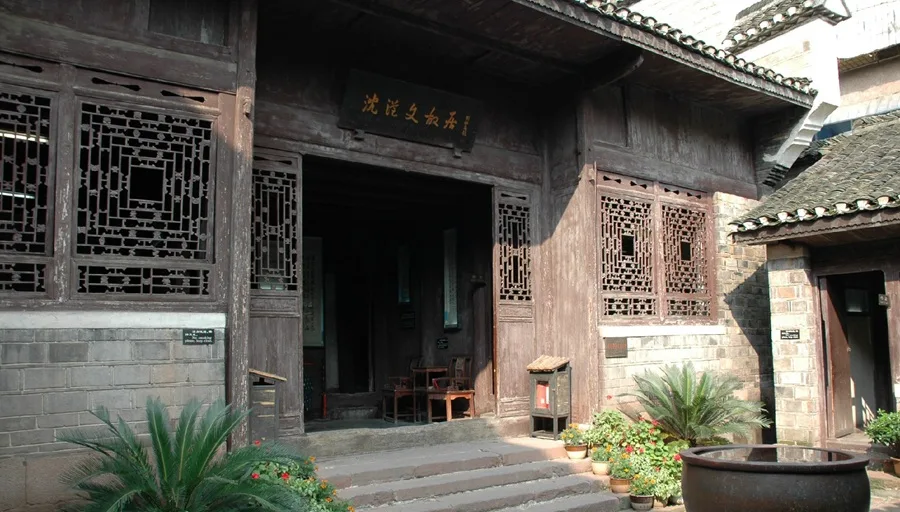
Fenghuang is more than a scenic riverside town. Its old streets contain a number of historic sites that help explain the region's cultural and literary heritage, preserved courtyard houses, and traditional defense systems.
Former Residence of Shen Congwen
Shen Congwen was a major Chinese writer whose work was deeply influenced by western Hunan. The traditional wooden courtyard retains the character of an old local residence, displaying books and personal belongings that provide context for Border Town.
Former Residence of Xiong Xiling
Located nearby, this site preserves the home of a prominent statesman and educator, offering a glimpse into influential local history.
North Gate Tower
Standing at the northern end of the old town, this historic Ming and Qing defense tower reflects Fenghuang's former role in regional trade and defense.
Other sites, including Yang Family Ancestral Hall, Chongde Hall and Fenghuang Ancient Town Museum, are scattered through the old streets. Together, they offer a closer look at traditional wooden construction, carved details, courtyard houses and the history of the local community.
Miao & Tujia Culture in Xiangxi
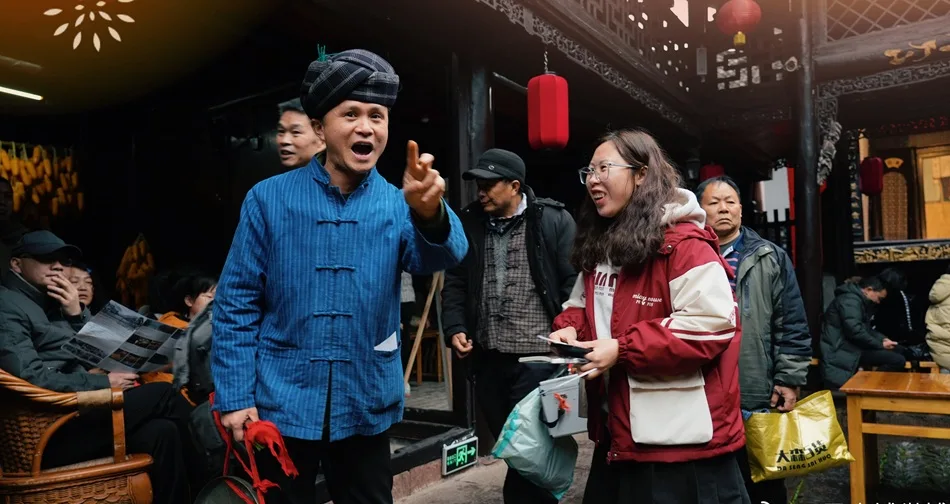
Fenghuang lies within a culturally diverse part of China, where Miao and Tujia traditions have long been an important part of regional life. Traditional crafts, music, clothing, food and customs all contribute to the cultural character of Xiangxi.
It is worth having realistic expectations. Modern Fenghuang Ancient Town is a mature tourist destination. The central streets are largely occupied by restaurants, guesthouses, shops and other visitor services, so travelers should not expect traditional ethnic life to appear unchanged around every corner.
The cultural heritage of the region is nevertheless very much present. Miao embroidery, silverwork and traditional weaving continue to be practiced, and locally made handicrafts can be found in shops and workshops around the town.
Elements of Miao and Tujia culture may also be presented through organized performances and cultural experiences, including traditional music, drumming and dance.
For international visitors, the value lies less in searching for a perfectly preserved “ethnic village” and more in understanding the cultural diversity of Xiangxi — how traditional crafts and customs have continued to influence the region while the town itself has developed into a modern tourism destination.
Fenghuang at Night: A Different Side
Fenghuang changes noticeably after dark, and this is one of the main reasons many visitors choose to stay overnight.
During the day, the historic town is best explored on foot. Natural light brings out the details of the wooden houses, stone streets, old courtyards and riverside scenery. It is a good time to visit historic sites, take photographs and explore the quieter lanes away from the main waterfront.
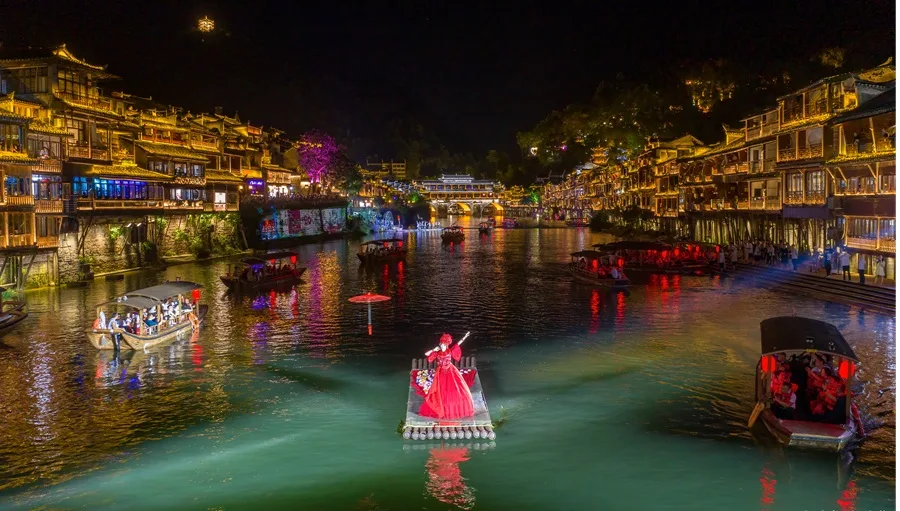
After sunset, the atmosphere becomes livelier. Buildings along the Tuojiang River, Hongqiao and Wanming Pagoda are illuminated, while warm lights stretch along the waterfront and reflect across the water. Traditional architecture, bridges, hills and evening lights come together to create the nighttime scenery for which Fenghuang is particularly well known.
The central riverside area can be busy at night, especially on weekends and public holidays. Restaurants, shops and other evening businesses remain active, so the atmosphere is less about quiet contemplation and more about enjoying the lights, food and riverside buzz.
That contrast is part of Fenghuang's modern character: Daytime is for history, architecture and walking. Nighttime is for lights, food and atmosphere. Staying overnight gives you time to experience both.
Things to Do & Local Food to Try
Fenghuang is easy to explore without a demanding schedule. The town is compact, and the best approach is usually to leave some time between the main sights.
Tuojiang River Boat Ride
A boat ride on the Tuojiang River is one of the classic experiences. From the water, you get a unique perspective on the diaojiaolou, bridges and riverside streets, appreciating how closely the town developed around the river.
Stone Alley Exploration
Explore the stone-paved lanes, visit former residences and ancestral halls, browse local craft shops and stop whenever a riverside view catches your attention. Fenghuang rewards curiosity more than speed.
Authentic Xiangxi Cuisine
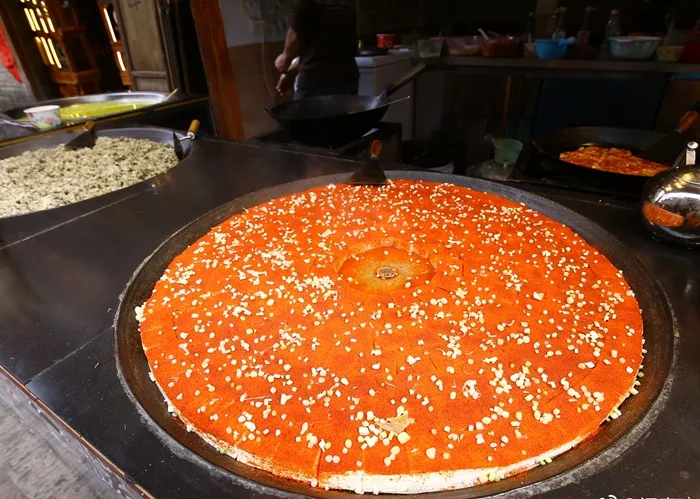
Try Blood Cake Duck (Fenghuang's famous local dish), Xiangxi Sour Fish Soup (spicy & sour regional flavor), local smoked pork, traditional rice cakes, rice noodles, and local street snacks.
How Long Should You Stay?
Fenghuang is relatively compact, so the right length of stay depends largely on how much time you have and how slowly you like to travel.
- Half a day: Enough for a quick introduction. Focus on the main riverside area, Hongqiao, the Tiaoyan stepping stones and a few key historic sites. Stay until evening for lights if possible.
- One full day: The best choice for most first-time visitors. Allows enough time for historic streets, cultural sites, a boat ride, local food and nighttime scenery without rushing.
- Two days: Ideal for a slower pace. See main attractions on the first day and explore quieter lanes on the second morning before crowds arrive.
Getting to Fenghuang
Fenghuang is well connected with other destinations in western Hunan and is relatively straightforward to reach.
High-Speed Train: The most convenient option for most travelers. Fenghuang Ancient Town Railway Station connects the town with major destinations. Local shuttle services connect the station directly with the old town.
By Air or Bus: Travelers arriving by air can use Tongren Fenghuang Airport and continue by road. Long-distance buses are also available.
Connecting with Zhangjiajie: The high-speed train between Zhangjiajie and Fenghuang makes combining dramatic mountain scenery with this historic riverside town seamless.
Fenghuang Ancient Town: Practical Information
| Best Time to Visit | Year-round. Spring and autumn offer comfortable weather for walking and photography. Summer is warmer; winter is quieter with fewer visitors. |
|---|---|
| Recommended Stay | Half a day for highlights; 1 full day for the standard experience; 2 days for a relaxed pace. Staying 1 night is highly recommended. |
| Entrance & Tickets | The main historic streets and public riverside areas are free. Certain former residences, ancestral halls, and museums require admission tickets. |
| Getting Around | Best explored on foot. The historic core is pedestrianized, with narrow alleyways restricting vehicles. |
| Where to Stay | Riverside guesthouses offer prime Tuojiang views and night scenery. Central accommodation is convenient for restaurants and sightseeing. |
| Must-Try Local Food | Blood Cake Duck, Xiangxi Sour Fish Soup, smoked pork, traditional rice cakes, and Xiangxi rice noodles. |
| Transportation | High-speed train to Fenghuang Ancient Town Station, followed by local shuttle. Airport transfers from Tongren Fenghuang Airport are also available. |
Travel FAQ for International Visitors
Is Fenghuang Ancient Town worth visiting?
Yes, particularly if you enjoy historic towns, traditional Chinese architecture, riverside scenery and regional culture. Fenghuang brings these elements together in a compact and easy-to-explore setting.
Is Fenghuang Ancient Town very touristy?
Yes, especially around the central riverside area. Shops, restaurants and guesthouses are part of everyday tourism here, and the town can become busy in the evening, on weekends and during public holidays. At the same time, the historic street layout, traditional architecture and local character remain central to the experience.
How long do I need in Fenghuang Ancient Town?
A half day is enough for the main highlights, but one full day is recommended for a first visit. If you prefer a slower pace or want to experience the town early in the morning and after dark, staying overnight is worthwhile.
Do I need a tour guide in Fenghuang?
No. The historic center is compact and easy to explore independently. A local guide can be useful, however, if you want a deeper understanding of Fenghuang's history, architecture, Shen Congwen, Border Town and Xiangxi culture.
Combine Zhangjiajie & Fenghuang
Let us handle your high-speed train tickets, private transfers, and experienced local guides for a seamless multi-day tour through Western Hunan.